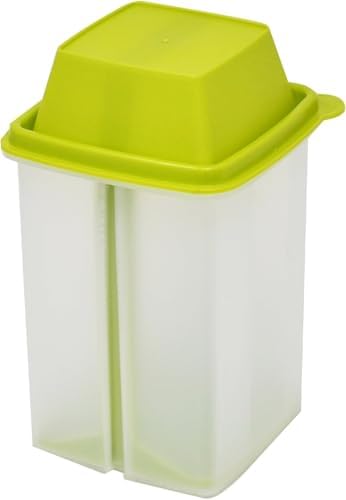
Pickle Container with Strainer - BPA Free Jalapeno Container for Mess-Free Storage of Condiment Food - Pickle Holder with Easy to Open Lid Design (Green)
$14.29

A tape measure run across the tabletop or stove top before ordering saves the trouble of a cover that puckers at the corners or sits crooked over a burner grate. We keep covers in several shapes on our kitchen shelves, and each one relies on the right surface underneath.
An elasticized vinyl table cover works by tucking its gathered edge under the rim of the table. Because the cloth pulls tight beneath the edge, the measurement that counts is the bare tabletop from edge to edge. Measuring an old drop cloth that hangs loose down the sides gives a number that is far too wide. For a round table, pull the tape straight across the center once. For an oblong or an oval table, write down the length and the width. When a table has rounded corners instead of sharp ones, an oblong cover still fits if the edge matches the width across the wood.
An oblong cover and an oval cover do not swap places well. An oblong cover pulled over an oval tabletop bunches in folds where the wood curves away from the corners. An oval cover stretched onto an oblong table strains against the sharp wooden corners and pulls loose. When you pull a leaf out of an extendable table, the tabletop changes its shape and its size entirely. A table with its leaf inserted is a different piece of furniture than the same table pushed together for the week. One cover fits the small setup, and a separate cover fits when the leaf sits in place.
Burner covers sit on a cold stove to hide the burners and give back a flat surface for setting down a bowl or a spoon rest. An electric coil sits low and flat, while a gas grate stands up higher with metal prongs. A cover made for electric coils rocks on top of a gas grate, and a cover for gas sits loose over an electric burner. We also carry deep burner covers, which have taller sides to bridge a deep burner well that would leave other covers sitting unevenly. Put burner covers on only when every burner is off and cold to the touch.
A heat diffusing plate is a working metal tool that stays on the stove while the heat is on. It rests between the burner flame and the bottom of your pan. A thin metal pan over direct heat tends to scorch sauce in one small spot right above the flame. The plate absorbs that concentrated heat and spreads it across the whole bottom of the pan, so a pot of oatmeal or soup warms through without catching on the bottom. It works on gas and electric stovetops. Let the plate cool down on the iron burner before picking it up to wash.
Vinyl table covers, felt game covers, and plastic storage pieces belong strictly on cool surfaces. Felt table covers cushion cards and dominoes, and vinyl covers wipe clean after a meal, but both materials soften and scorch if a hot skillet or baking dish sits directly on them without a trivet. The same rule applies to the stove: burner covers come off before lighting a burner, and keepers for flour or buns stay well back on the counter away from the oven vent. Microwave bowls with lids handle steam inside the microwave, but they stay off the stove top entirely.
From kitchen and table, where the rest of them sit.
$14.29
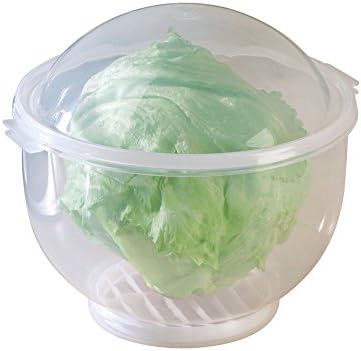
$20.80

$25.59
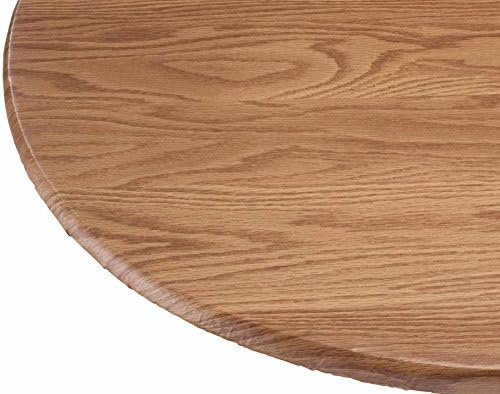
$33.46
A vinyl cover wipes clean with a damp cloth and warm soapy water. Storage keepers for buns and flour seal tight in the pantry, while microwave bowls with lids move from the refrigerator to the microwave. When measuring for covers, write down the numbers before browsing the pages, and the fit works out right.