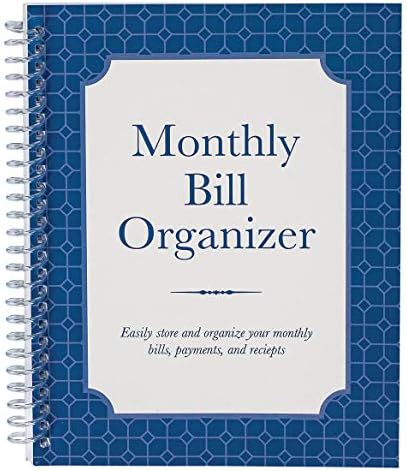
Monthly Bill Organizer
$11.53

Paper does a plain job in a busy house. It holds an address so nobody writes it twice, and it keeps a date where a person can find it on a Tuesday morning. This note walks through the room each piece needs and how to choose what fits your desk.
An address on paper does one job many times over. You decide the spelling once, set the street name in place, and peel a piece off when an envelope needs to go out. The person receiving the mail sees the same clear lines you chose months before. That consistency matters on bill envelopes, greeting cards, and packages sent across several states. A roll or a flat sheet tucked in a drawer saves the small trouble of writing four lines by hand in the cold entryway. When the wording is settled at the start, the habit takes care of itself through the whole winter.
Anything that takes lettering arrives with those words set in place. That is why the spelling and the layout want a slow look before you decide. A middle initial left off stays off. An extra space between words remains on every single sheet in the box. Check the street abbreviation and the town name twice on the page. Think about who uses the paper, too. A household with two names on the porch might want both on the top line, while a single name gives more room for a longer street address underneath. Once the paper is pressed, it stays as it is.
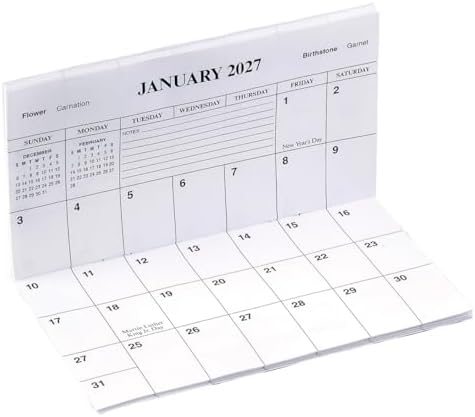
A wall calendar or a desk planner succeeds on the width of its boxes. If a person writes with a broad pen or fills three lines for an afternoon appointment, a crowded grid gets abandoned before spring arrives. Look closely at the ruling. Some layouts give a full block for every day of the week, while others squeeze the weekend into one narrow column. If Saturday is when the family travels or visits the clinic, that half-size box causes trouble all year. Choose the planner that matches the size of your actual handwriting, not the neatest sample on the page.
Some paper leaves the house on an envelope while other paper stays on a desk for years. A pad of grocery sheets gets torn off and thrown away by Saturday noon, so thin stock works fine for that duty. A hardbound address book or a five-year diary is a different matter entirely. Those pages get turned hundreds of times, and the binding has to sit open flat on a desk without breaking. Choosing heavy paper for short daily notes fills up a bin too soon, while light paper in a reference book tears at the corners before the second year ends.
Paper is consumed by its nature. The true question before choosing a box of note cards or a stack of pads is how quickly your household uses them. A family that writes three thank-you notes after Christmas does not need four boxes sitting in a closet until the glue dries out. A small pack that gets used within six months stays clean and crisp. Paper kept in a damp drawer or under direct sunlight can curl at the edges over time. Buy the amount that matches the season ahead, and let the shelf empty out naturally.
From paper, planners and pens, where the rest of them sit.
$11.53
$7.22
$13.98
$71.38
A well-chosen pad or planner fits the exact way your household runs. Measure the space on the wall, look at the size of the writing lines, and pick the piece that handles the task without fuss. When the paper fits the hand and the drawer, it does its job quietly day after day.