
Fleece Blanket with Satin Binding
$44.99

Furniture wears where skin touches it and where body weight lands. A recliner stays sound in the frame long after the cloth turns thin along the arms and the cushion. Putting something between the chair and daily use keeps the piece in the room without replacing the whole frame.
A wooden frame and steel springs hold up for decades in a quiet living room. Fabric does not. Hands rest on the arms in the same two spots every afternoon, and the seat takes the friction of someone standing up and sitting down three or four times an hour. The arms show the thread first. Faux leather armrest covers and quilted pads take that surface rub instead of the upholstery. When a pad gets soiled, it comes off for the wash, which is work nobody can do to a sewn recliner arm. An armrest organizer hangs over the side to hold glasses and reading matter without wearing the fabric underneath.
A pad that shifts each time someone stands up is an annoyance. The back has to grip the upholstery underneath, or ties have to hold it to the frame. We keep pads with textured backings and ties meant for standard armchair shapes. A pad softens a firm seat, but the real job is catching spills, pet hair and friction before any of it reaches the original cushion. It will not rebuild foam that has already collapsed inside the seat cushion, and it will not hide a broken spring. What it does is keep good fabric clean and sound for years longer than bare cloth.
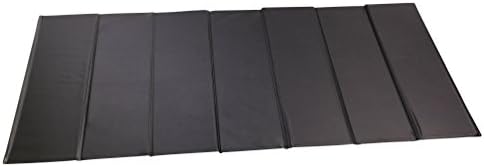
A bare wood floor in a hall gets worn down the middle where shoes scuff the finish every day. A narrow carpet runner protects that line of wood, but light fabric on a smooth floor moves underfoot. That is why a runner needs a ribbed latex or rubber backing to hold the floor without tape. The backing grips dry hardwood, tile or linoleum so the strip stays flat when someone walks past with a basket of laundry. When the surface collects dust and grit from the yard, the whole piece goes in the washing machine and line dries.
Fleece keeps warm on a cool evening, but bare fleece edges curl, fray and pill where fingers pull the top border up to the chin. A smooth satin binding sewn along the perimeter gives the blanket a firm, flat edge that handles regular tugging. Hands find the cool satin band without looking, and the woven ribbon holds its shape after repeated turns in the laundry. We keep these throws near the chair pads because most people sitting in a favorite chair want a light cover within reach when the house cools down after sundown.
The rest of this house shelf holds odd pieces that solve one specific nuisance around a chair. A long beaded fan pull hangs low enough to find without standing on tiptoe. A large display clock shows the hour in bold letters across the room so nobody has to squint from the sofa. A visor extender clips to a car flap for the evening commute when the sun drops below the glass. An air fern sits on an end table without water or soil. These are simple tools that do one quiet job well.
From around the house, where the rest of them sit.
$44.99

$15.99
$8.99
$27.13
Slipcovers and arm pads match a general color family like brown, burgundy or navy, but they do not match original factory fabrics. Putting a cover on the seat, both arms and the back makes a chair look wrapped up. Protecting the single spot that takes the rub is usually enough to keep the room looking like a home.